
Winter Power Outage Preparation With a Wood Cook Stove
 "Winter Power Outage Preparation With a Wood Cook Stove")
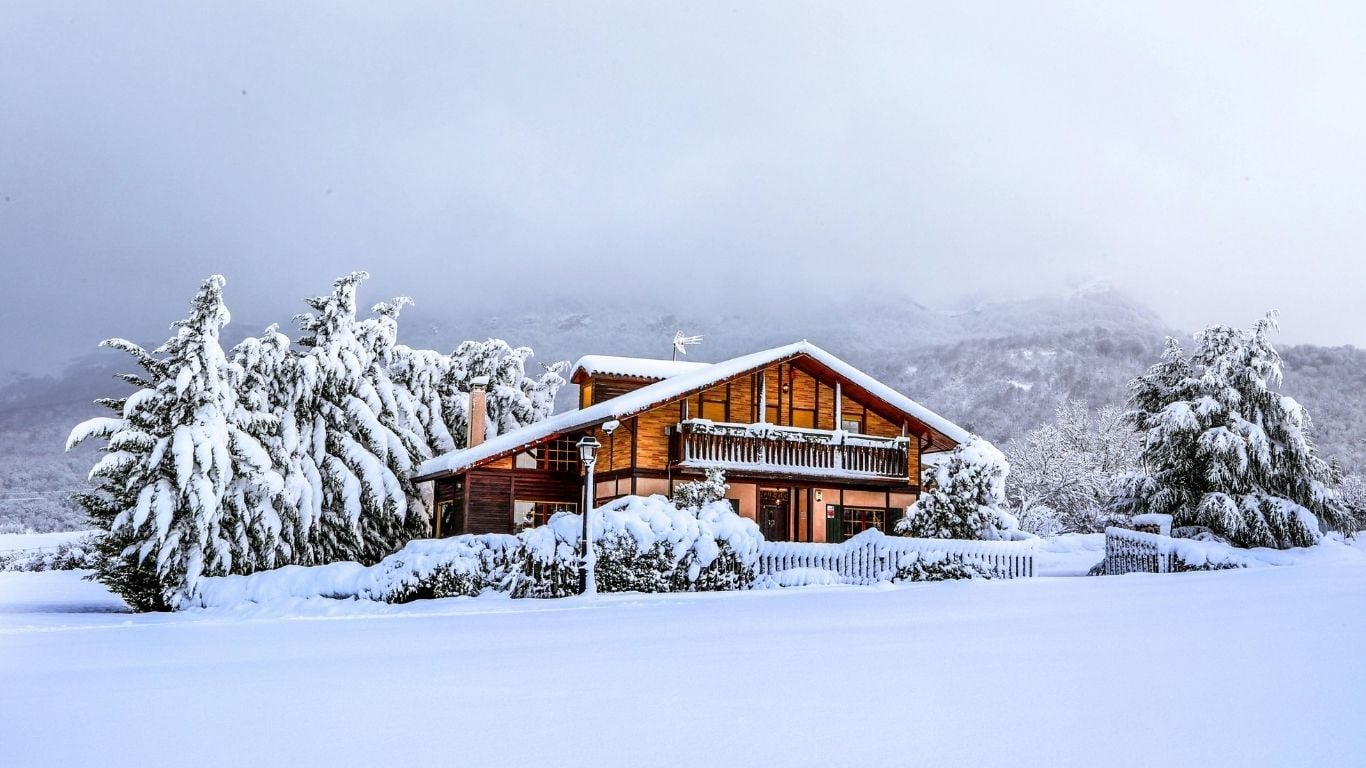
November in Canada marks the transition from fall into the winter heating season. Strong winds, freezing rain and heavy snow can damage trees and power lines, leaving homes without electricity for hours or, in some cases, several days.
A winter power outage can affect much more than lighting. Depending on the home, it may interrupt:
- Space heating
- Electric cooking appliances
- Well pumps
- Hot water systems
- Refrigerators and freezers
- Internet and telephone service
- Medical equipment
- Sump pumps
- Other essential household systems
A properly installed wood cook stove can be a valuable part of a household emergency plan. Many traditional wood cook stoves can continue providing heat and cooking capability without electricity. Some models also include a water reservoir that can warm water while the stove is operating.
However, a wood cook stove is not a complete emergency plan on its own. It may not heat every room, prevent all plumbing from freezing or meet every household's water and medical needs.
The safest approach is to combine the stove with a 72-hour emergency kit, stored drinking water, working alarms, a household communication plan and a clear evacuation strategy.
Why a Wood Cook Stove Is Valuable During an Outage
A wood cook stove combines several practical functions in one appliance.
Heat Without Grid Electricity
Many wood cook stoves rely on firewood, natural chimney draft and radiant or convective heat rather than an electric heating element or furnace blower.
If the stove and chimney are correctly installed and maintained, the appliance can continue producing heat when the electrical grid is unavailable.
The amount of the home that can be heated depends on:
- The stove model
- Home size and layout
- Insulation and air leakage
- Outdoor temperature
- Chimney performance
- Firewood quality
- Placement of the stove
- Whether interior doors are open or closed
- How safely and effectively the stove is operated
Do not assume that one stove will keep every room or water pipe above freezing. Monitor temperatures in remote areas of the home and follow an appropriate plumbing protection plan.
Indoor Cooking Capability
A wood cook stove provides a cooking surface and oven without relying on an electric range.
During an outage, it may be used to:
- Boil water
- Prepare soup or stew
- Cook eggs
- Heat canned food
- Make oatmeal or other hot cereals
- Bake bread
- Roast food
- Prepare hot drinks
Only use cookware that is stable, heat-resistant and suitable for the stove's cooking surface.
Outdoor camping stoves, barbecues and portable fuel-burning burners should never be brought indoors. The Government of Canada warns that this equipment can produce dangerous carbon monoxide, even when doors or windows are open.
Water Warming
Some wood cook stoves include optional or built-in water reservoirs. A reservoir can provide warm or hot water for washing, cleaning and other household needs while the stove operates.
Water can also be warmed in a stable, covered pot on the cooktop.
Hot water from a stove reservoir should not automatically be considered safe drinking water. Its safety depends on the source water, reservoir materials, system design and maintenance.
Store a separate emergency supply of potable water rather than relying on the stove to create drinking water from an uncertain source.
Wood Cook Stove Models for Heating, Cooking and Preparedness
Northern Cookstoves and Heaters offers several models that can provide cooking and home-heating capability without relying on a conventional electric range.
Each stove differs in size, firebox design, cooking surface, oven capacity, airflow controls and reservoir options. The right choice depends on the home and its intended use.
Pioneer Princess Wood Cook Stove
The Pioneer Princess Wood Cook Stove from Suppertime Stoves is an airtight, front-loading cook stove.
It includes:
- A front-loading firebox
- A smooth polished steel cooking surface
- An oven thermometer
- Shaker grates and an ash pan
- An internal flue damper
- An optional side water reservoir
Its cooking surface and oven allow a household to prepare meals during an outage, while the stove body provides heat to the surrounding area.
Baker's Choice Wood Cook Stove
The Baker's Choice Wood Cook Stove is a more compact model from Suppertime Stoves.
Its features include:
- An airtight firebox
- A front-loading door
- A polished steel cooktop
- An oven thermometer
- Shaker grates and an ash pan
- An external flue damper
- An available water reservoir configuration
Its smaller footprint may suit a cottage, hunt camp or home where a more compact wood cook stove is preferred.
Margin Gem Wood Cook Stove
The Margin Gem Wood Cook Stove is designed for cooking and home heating.
The Margin Gem includes:
- A cast iron cooking surface
- Front and top loading access
- A bell draft control
- An air-jet re-burn design
- A baking oven
- An available water reservoir configuration
- A shelf or warming oven option
The cooktop provides several working areas for boiling, frying, simmering and keeping food warm during an extended outage.
Margin Flame View Cook Stove
The Margin Flame View Cook Stove features the largest firebox in the Margin cook stove series.
Its features include:
- A side-loading glass firebox door
- A large viewing window
- A double-plated steel cooking surface
- An oven draft control
- A dual draft inlet
- An air-jet re-burn design
- An available water reservoir
The larger firebox and cooking surface may appeal to households looking for substantial heating and cooking capability.
Kitchen Queen 480 Wood Cook Stove
The Kitchen Queen 480 is a larger airtight cook stove designed around natural heat convection.
It includes:
- A large polished cooking surface
- A porcelain-coated oven
- A large airtight firebox
- Ash pans for easier cleaning
- A substantial water reservoir
- Optional high-back shelf or warming closet configurations
The large cooktop provides space for several pots, which can be useful when preparing meals and warming water during an extended outage.
Kitchen Queen 550 Grand Comfort
The Kitchen Queen 550 Grand Comfort combines cooking and home heating features with thermostat control.
Standard features include:
- A glass fire-view door
- A glass oven door
- A cooking surface and baking oven
- Thermostat control
- A backsplash with shelf
- A water reservoir
- Side, rear and bottom heat shields
The viewing doors make it easier to observe the fire and oven without unnecessarily opening either door.
Features and specifications can change. Always confirm current model details, water-heating options and installation requirements with Northern Cookstoves before purchasing.
Prepare the Stove Before Winter
Emergency preparation should take place before a storm warning is issued.
Review the Owner Manual
Know how to:
- Start the stove
- Adjust combustion air
- Use the oven or bypass control
- Reload the firebox
- Remove ashes
- Use the water reservoir
- Recognize overfiring
- Respond to a chimney fire
- Shut down the stove as safely as possible
Keep a printed copy of the manual accessible in case internet service is unavailable.
Inspect the Stove and Chimney
Before regular winter use, check for:
- Cracked or damaged firebrick
- Loose or deteriorated door gaskets
- Damaged glass
- Corrosion
- Warped components
- Loose stovepipe connections
- Obstructions in the chimney
- Excessive soot or creosote
- Controls that are difficult to move
- Water leaks from a reservoir or approved water-heating component
Arrange professional service for any unresolved concern.
Northern Cookstoves provides a helpful WETT inspection checklist for Ontario wood cook stove owners.
Clean the Chimney and Internal Passages
A power outage is not the time to discover that the chimney is restricted or the oven channels are filled with fly ash.
Have the stove, connector pipe and chimney inspected regularly and cleaned when required. Follow the manufacturer-specific procedure for cleaning heat passages around the oven.
For additional information, read these wood cook stove cleaning and maintenance tips.
Test Safety Equipment
The home should have:
- Working smoke alarms
- Working carbon monoxide alarms
- Battery backup for alarms that normally use household electricity
- An appropriate fire extinguisher
- Accessible emergency exits
- A charged phone or backup communication method
Test alarms before the heating season and replace batteries according to the manufacturer's instructions.
Prepare an Emergency Firewood Supply
A wood cook stove is only useful if dry fuel is available.
Use Properly Seasoned Firewood
Firewood should generally have a moisture content below 20 percent. Test the inside of a freshly split piece with a moisture meter.
Wet firewood is difficult to ignite, provides less usable heat and contributes to smoke and creosote.
Read Northern Cookstoves' guide to choosing wood for a Canadian wood cook stove for more information about fuel selection and seasoning.
Keep Several Fuel Sizes Available
A practical supply may include:
Dry Kindling
Small, dry pieces help establish the initial fire and warm the chimney.
Smaller Cooking Splits
Smaller hardwood pieces generally ignite more quickly and can help increase cooking or oven temperature.
Medium and Larger Splits
Larger pieces can provide a longer burn once a proper fire and coal bed are established.
Use only pieces that fit the firebox dimensions and loading instructions for the stove.
Keep Most Firewood Outdoors
The original version of this article recommended keeping at least three days of firewood inside the living area. This can create fire, pest and storage concerns.
Keep the main supply outdoors in a covered, ventilated woodshed or stack. Firewood should be elevated above the ground and protected from rain and snow.
Bring indoors only a practical short-term supply. Store it in a stable location that remains outside all required clearances from the stove, connector pipe and chimney.
Do not store firewood:
- Against the stove
- Under the oven
- On a warming shelf
- In front of a loading or ash door
- In an exit route
- Where pieces can fall onto a hot surface
Before a storm, clear a safe route to the woodshed. Avoid going outside during dangerous winds, falling branches or extreme conditions simply to retrieve more fuel.
Build a 72-Hour Emergency Kit
The Government of Canada recommends being prepared to remain self-sufficient for at least 72 hours.
The official Canadian emergency kit guidance recommends organizing supplies in an accessible and portable location that everyone in the household knows about.
Include:
- Bottled drinking water
- Non-perishable food
- Manual can opener
- Battery-powered or hand-crank radio
- Flashlights or headlamps
- Extra batteries
- Phone power banks
- First-aid supplies
- Necessary medications
- Copies of important documents
- Cash
- Blankets and warm clothing
- Personal hygiene supplies
- Baby or pet supplies when applicable
- A copy of the household emergency plan
Store the emergency kit somewhere accessible, but not beside the stove or another heat source.
Store Enough Drinking Water
Health Canada recommends storing at least two litres of drinking water per person per day. An additional two litres per person per day should be considered for cooking and cleaning.
For a 72-hour emergency, this means planning for approximately four litres of water per person per day when drinking, cooking and sanitation needs are combined.
Remember to include water for:
- Pets
- Infant formula
- Medical needs
- Food preparation
- Basic sanitation
Stored potable water is safer and more efficient than trying to create an emergency supply by melting snow.
Do Not Assume Snow Is Safe to Drink
The original article described outdoor snow as an unlimited emergency water source and recommended melting it in a large metal bucket. That recommendation has been removed.
Health Canada warns that snow and ice can be contaminated by:
- Chemicals
- Soil and dirt
- Animal waste
- Road salt
- Other environmental contaminants
Boiling can kill many microorganisms, but it does not necessarily remove chemical contamination.
Use bottled water or another known safe source whenever possible. If local authorities issue drinking-water instructions, follow them exactly.
Health Canada provides detailed guidance on food and drinking-water safety during an emergency.
Using a Water Reservoir During an Outage
If the stove includes a water reservoir, follow the model-specific instructions.
Important precautions include:
- Use water from a known safe source.
- Maintain the required water level.
- Do not allow the reservoir to boil dry.
- Do not fill a hot, empty reservoir with cold water unless the manufacturer permits it.
- Keep children away from taps and hot surfaces.
- Use heat-resistant containers when collecting water.
- Check for leaks.
- Do not modify the reservoir or connect it to household plumbing without professional approval.
A built-in reservoir is different from a domestic hot water loop, water jacket or pressurized plumbing connection.
Any system connected to household plumbing requires approved components, safety controls and professional installation. Some circulation systems may depend on electric pumps and may not operate normally during an outage.
Confirm how the complete water system behaves without electricity before relying on it for emergencies.
Warming Water on the Cooktop
If the stove does not have a reservoir, water can be warmed in a stable pot or kettle.
Use cookware that:
- Is intended for cooking
- Has a secure handle
- Has a stable, flat base
- Is not too large for the cooktop
- Can safely support the volume of water
- Has a lid to reduce evaporation and splashing
Do not place an oversized utility bucket or container on the stove. It may not be food-safe, stable or designed for high heat. A large volume of boiling water also creates a serious scalding hazard.
Never leave an open pot of water unattended around children or pets.
A Safe Power Outage Routine
When the power goes out, begin by assessing the situation.
1. Confirm and Report the Outage
Check whether the problem is limited to your home. Report the outage to the local utility and monitor official updates using a battery-powered radio, charged phone or other available method.
Limit unnecessary phone use to conserve battery power.
2. Check Alarms
Confirm that smoke and carbon monoxide alarms are operating on battery backup.
A wood-burning appliance produces carbon monoxide as part of combustion. A properly operating chimney carries it outdoors, but a blocked chimney, damaged appliance or draft problem can allow it to enter the home.
3. Inspect Outdoor Conditions
From a safe location, check whether snow or ice may be blocking accessible exhaust openings.
Do not climb onto a roof or place yourself beneath damaged trees or power lines during a storm. Contact a qualified professional if the chimney cannot be assessed safely.
4. Start the Stove According to the Manual
Use dry kindling and seasoned firewood. Set the air, bypass and oven controls in their manufacturer-specified startup positions.
Do not leave the firebox door open or partially open unless the stove manual specifically permits it.
Never use gasoline, kerosene or another liquid accelerant.
5. Establish a Controlled Fire
Build the fire gradually and allow the chimney to warm. Once the fire is established, adjust the stove for regular heating according to its instructions.
Do not overfire the stove in an attempt to heat the home faster. Overfiring can damage the appliance, stovepipe and surrounding structure.
6. Monitor the Home
Track temperatures in:
- The main living area
- Rooms containing plumbing
- Basements or crawlspaces
- Bedrooms
- Areas used by older adults, infants or people with medical needs
A warm kitchen does not guarantee that remote pipes or rooms remain above freezing.
Concentrate Heat Without Endangering Plumbing
Closing doors to unused rooms may help concentrate heat near the stove. However, this should be done carefully.
Do not isolate rooms that contain vulnerable water pipes if doing so could allow them to freeze. Consider leaving interior doors or sink cabinet doors open when this helps warm air reach plumbing.
Keep bedding, mattresses and temporary sleeping arrangements outside required stove and chimney clearances.
Never place bedding directly beside the stove. Someone sleeping near a hot appliance may shift blankets or pillows into an unsafe area.
If the home cannot be kept at a safe temperature, follow local instructions and relocate to a warming centre, shelter or another safe location.
Protecting Pipes During an Extended Outage
Learn how to shut off and drain the home's water system before an emergency occurs.
Depending on the home and instructions from local authorities or a plumber, measures may include:
- Allowing a small trickle of water to run
- Opening cabinet doors around plumbing
- Keeping interior doors open where pipes need warmth
- Shutting off the main water supply
- Draining vulnerable plumbing
- Protecting well and pump equipment
- Monitoring basements and exterior-wall plumbing
The Government of Canada's winter storm guidance notes that running a trickle of water can help prevent pipes from freezing.
Water systems differ. Ask a qualified plumber what steps are appropriate for your home before winter.
Cooking Efficiently During an Outage
Simple meals reduce fuel use, preparation time and dishwashing.
Good options may include:
- Soup
- Stew
- Chili
- Oatmeal
- Rice
- Pasta
- Canned foods
- Eggs
- One-pot casseroles
- Bread or biscuits
- Hot drinks
Use the different areas of the cooktop according to the stove's design.
The Hotter Area
The area closest to or above the firebox is generally best for:
- Bringing water to a boil
- Frying
- Searing
- Heating food quickly
The Moderate Area
A medium-temperature area can be useful for:
- Simmering soup
- Cooking grains
- Maintaining a stew
- Preparing sauces
The Cooler Area
Farther sections of the cooktop may be suitable for:
- Keeping food warm
- Holding a covered kettle
- Warming plates or serving dishes
Heat zones shift as the fire changes. Supervise cookware and verify food temperatures rather than assuming one area will remain constant.
The Oven
The oven can be used for baking and roasting once heat is routed according to the stove's instructions.
Never use the oven to dry firewood, wet gloves, kindling or other combustible materials. These items can ignite or interfere with airflow.
Food Safety During an Outage
Avoid opening the refrigerator or freezer unnecessarily.
According to Health Canada:
- An unopened refrigerator keeps food cold for about four hours.
- A full freezer keeps food frozen for about 48 hours.
- A half-full freezer keeps food frozen for about 24 hours.
Do not place frozen food outside in winter. Outdoor temperatures can fluctuate, sunlight can thaw food and animals may cause contamination.
Use a digital food thermometer when evaluating food. When in doubt, throw it out.
Lighting the Home Safely
Use battery-powered flashlights, headlamps or lanterns instead of candles and oil lamps.
The Government of Canada specifically recommends flashlights rather than candles during power outages to reduce fire risk.
A headlamp is especially useful when operating a wood cook stove because it keeps both hands available.
Store lights and batteries in an accessible emergency kit away from the stove.
If a lighter or matches are needed for the stove:
- Keep them dry.
- Store them out of children's reach.
- Keep them outside required clearances.
- Do not leave them on the stove, warming shelf or woodbox.
Burn First Aid
Keep a stocked first-aid kit available, but do not rely on burn ointment as the first response to a fresh burn.
Canadian Red Cross guidance advises:
- Cool the affected area with clean running or standing water for at least 10 minutes.
- Remove jewellery or loose clothing near the burn, but do not remove anything stuck to the skin.
- Cover the cooled area loosely with a dry, sterile, non-stick dressing.
- Seek medical advice when appropriate.
Do not apply ice directly to a burn.
Call 911 for a severe burn, breathing difficulty or another medical emergency.
Carbon Monoxide Safety
Carbon monoxide cannot be seen, smelled or tasted.
Possible symptoms of exposure include:
- Headache
- Dizziness
- Weakness
- Nausea
- Confusion
- Chest pain
- Shortness of breath
If a carbon monoxide alarm sounds:
- Leave the home immediately.
- Move to fresh air.
- Call 911 or local emergency services.
- Do not try to locate the source yourself.
- Do not re-enter until a qualified professional says it is safe.
Health Canada provides more information about carbon monoxide and fuel-burning appliances.
Know When to Evacuate
A wood cook stove does not make it safe to remain in every emergency.
Leave the home or follow local evacuation instructions if:
- A carbon monoxide alarm sounds
- Smoke repeatedly enters the room
- The chimney or stove appears damaged
- You suspect a chimney fire
- The stove cannot be controlled
- Indoor temperatures become unsafe
- Plumbing failure causes flooding
- Someone requires powered medical equipment
- Food, water or medication supplies are inadequate
- Authorities order an evacuation
- Falling trees, structural damage or fire threaten the home
Know the location of nearby warming centres, shelters, family members or neighbours who may be able to help.
After Power Is Restored
When electricity returns:
- Allow the electrical system to stabilize.
- Reconnect essential appliances gradually.
- Check the utility's instructions.
- Inspect plumbing for frozen or burst pipes.
- Confirm that the electric water heater is full before restoring power to it.
- Evaluate refrigerator and freezer food safely.
- Recharge power banks and emergency devices.
- Replace supplies used from the emergency kit.
- Check the stove and chimney if unusual operation occurred.
- Record what worked and what needs improvement.
If the stove was overfired, produced smoke indoors or experienced a chimney fire, stop using it until it has been professionally inspected.
Build a Complete Winter Preparedness Plan
A wood cook stove can provide dependable heat, cooking capability and a place to warm water when electrical service is interrupted.
Its value is greatest when it is supported by:
- A correctly installed chimney
- Regular inspection and maintenance
- Dry, seasoned firewood
- Working smoke and carbon monoxide alarms
- Stored drinking water
- A 72-hour emergency kit
- Safe lighting
- A plumbing protection plan
- Reliable communication
- An evacuation destination
Preparation turns the stove from a decorative appliance into a practical part of household resilience.
Find the Right Wood Cook Stove for Your Home
Northern Cookstoves and Heaters supplies handcrafted wood cook stoves for homes, farms, cabins, cottages and off-grid properties across Canada.
Explore:
If you are comparing the Pioneer Princess, Baker's Choice, Margin Gem, Margin Flame View, Kitchen Queen 480 or Kitchen Queen Grand Comfort models, Northern Cookstoves can help you evaluate cooking features, heating capabilities, reservoir options and installation requirements.
Request a quote or call 519-788-3788 to discuss the right wood cook stove for your Canadian home.
| Tags:NewsCook StovesFirewoodRecipes |