
Do I Need a Permit to Install a Wood Stove in Ontario? Step-by-Step
 "Do I Need a Permit to Install a Wood Stove in Ontario? Step-by-Step")
Understanding the Ontario Building Permit for Wood Stove Installation
If you’re planning to install a wood stove or cookstove in your home, cottage, or cabin, you’ve probably wondered whether you need an Ontario building permit for wood stove installation. The answer depends on a few factors—such as where you live, the type of appliance you’re installing, and whether it’s a new installation or a replacement. Building permits exist to ensure safety and compliance with provincial building codes, especially when dealing with heat-producing appliances that involve fire, venting, and structural modifications. At Northern Cookstoves, we get this question often from homeowners who are eager to bring the charm and practicality of wood heat into their spaces. This guide will walk you through the key requirements, how to apply for a permit, and what to expect before, during, and after installation—so you can enjoy your new stove safely and legally.
Why Building Permits Are Important for Wood Stove Installations
A building permit might feel like red tape, but it plays a vital role in protecting your home and your safety. Permits ensure that installations meet the Ontario Building Code (OBC), which sets strict standards for construction and fire safety. Wood stoves involve high heat, combustion gases, and venting systems that pass through walls or ceilings—areas where mistakes can lead to fires or carbon monoxide leaks. When a building inspector reviews your permit and inspects the completed installation, they’re confirming that your setup meets safety and clearance requirements. Beyond safety, permits also protect your property value and insurance coverage. If you ever sell your home, potential buyers and their insurers will want proof that your stove was installed according to code. Without a permit, you may face fines, denied insurance claims, or even orders to remove the appliance altogether.
When You Need a Building Permit for a Wood Stove in Ontario
Most municipalities in Ontario require a building permit for any new wood stove or chimney installation. Generally, you’ll need a permit if you are:
Installing a new wood stove or cookstove where one didn’t exist before.
Modifying or replacing a chimney, flue, or venting system.
Making structural changes to accommodate the stove (cutting through walls, ceilings, or roofs).
Installing a stove in a new building or addition.
If you’re simply replacing an existing certified stove with a similar model and not altering the chimney or structure, you may not need a permit—but you should always check with your local building department to confirm. Rules can vary slightly between municipalities. In smaller towns or rural areas, building officials may even ask for drawings or manufacturer’s installation instructions before approving your application. At Northern Cookstoves, we always recommend confirming your local requirements before purchasing your stove, to avoid unnecessary delays or extra costs later on.
Who Issues Building Permits in Ontario?
Building permits for wood stove installations are issued by your local municipal building department. Each city, town, or township in Ontario has its own building office responsible for reviewing applications and scheduling inspections. In most cases, you’ll need to submit your application directly to your municipality rather than the province. For example, if your property is in Muskoka, you’d contact the District of Muskoka Building Department, while a homeowner in Guelph or Barrie would work with their local city office. The process typically involves submitting an application form, installation drawings or diagrams, and sometimes documentation from the stove manufacturer showing that the appliance meets CSA or ULC certification. Once your permit is approved, you’ll receive authorization to proceed with the installation. After the work is completed, a building inspector will conduct a final inspection before the permit is closed.
What You’ll Need to Apply for a Permit
Applying for a building permit for a wood stove in Ontario usually involves several documents. Most municipalities require:
A completed application form outlining the nature of the installation and property details.
A site plan or floor plan showing where the stove and chimney will be located.
Manufacturer’s installation specifications, including model number, clearances, and certification.
Chimney or venting details, such as materials, height, and proximity to combustible materials.
Payment of permit fees, which typically range between $100 and $250 depending on the municipality.
Some municipalities may also require a WETT-certified installer to perform or supervise the installation, especially if the system connects to existing structures. Having detailed documentation not only speeds up your permit approval but also helps ensure your system passes inspection the first time. At Northern Cookstoves, we can help you gather the required manufacturer specs and diagrams for any of the cookstoves we sell, making your permit process much easier.
What Building Inspectors Look for During Installation
Once your installation is complete, your local building inspector will conduct a site visit to ensure the work meets the Ontario Building Code and the manufacturer’s guidelines. The inspector will check several key areas, including:
Clearances: Ensuring the stove is far enough from combustible materials like walls, floors, and furniture.
Chimney installation: Verifying proper height, support, and insulation for safe venting.
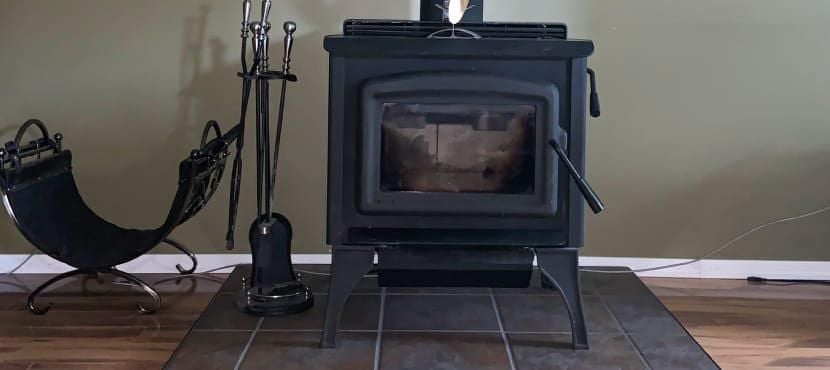
Hearth protection: Making sure the stove sits on an approved, non-combustible base of adequate size and thickness.
Seals and joints: Checking for proper connections to prevent leaks of smoke or carbon monoxide.
Certification: Confirming that the stove and chimney components are certified to CSA/ULC standards.
The inspector may also request to see your WETT inspection report, particularly if your insurer requires it. If any issues are identified, they’ll provide a list of corrections needed before the permit can be closed. Taking the time to review your installation with your stove retailer and installer before inspection can help ensure a smooth process and approval on the first visit.
Common Mistakes That Delay Permit Approval
Even a small oversight can delay your building permit approval or final inspection. Some of the most common mistakes include missing documentation, improper clearances, or using non-certified appliances. Another frequent issue is homeowners performing DIY installations without consulting local building officials first. While you might be handy, wood stove installations have strict code requirements that differ depending on the stove model, flue configuration, and building type. Some homeowners also neglect to include accurate chimney diagrams or measurements in their permit applications, which can result in rejected paperwork. To avoid these setbacks, always use certified products, follow manufacturer guidelines precisely, and verify your plans with your local building department before starting. If you’re unsure, Northern Cookstoves can help connect you with professional installers who understand the permitting process inside and out.
The Relationship Between Building Permits and WETT Certification
While building permits and WETT certification both deal with safety and compliance, they are not the same thing. A building permit comes from your local municipality and is required before installation. A WETT inspection, on the other hand, is conducted by a certified professional after installation to confirm that the appliance meets national safety standards. Think of it this way: the building permit ensures your installation can legally proceed, while the WETT certification verifies that it was done safely and correctly. In many cases, insurance companies require both—the permit for legality and the WETT inspection for risk assessment. Having both documents ensures you’re fully protected and compliant, giving you confidence that your stove is both safe and insurable.
What Happens If You Skip the Permit?
Skipping the building permit might save time initially, but it can lead to serious problems later. If your municipality discovers that a wood stove has been installed without a permit, you could face fines or an order to remove the appliance. More importantly, your home insurance could be voided if you ever file a claim related to fire or smoke damage. During resale, buyers and their insurers may request proof of a building permit and inspection before finalizing a deal—if you can’t provide it, the sale could fall through or the price could drop significantly. In short, skipping the permit process can end up being far more costly and stressful than following it properly from the start.
How Northern Cookstoves Helps Simplify the Process
At Northern Cookstoves, we believe that installing a wood cookstove should be an exciting, stress-free experience—not a bureaucratic nightmare. That’s why we go beyond selling stoves to helping customers understand every step of the process, from selecting the right appliance to meeting permit and inspection requirements. Our team can provide the manufacturer documentation, diagrams, and product specs needed for your building permit application. We can also refer you to trusted, WETT-certified installers who are familiar with local codes across Ontario. Whether you’re outfitting a family home, cottage, or off-grid cabin, we’ll guide you through each stage so your installation is safe, compliant, and built to last.
FAQs About Building Permits for Wood Stoves in Ontario
Do I need a permit to replace an old stove with a new one?
If you’re replacing a certified stove with another certified model using the same chimney and clearances, you may not need a permit—but always check with your municipality.
Can I apply for a building permit online?
Many Ontario municipalities now allow online applications through their websites. Check your local building department for forms and submission details.
How long does it take to get a permit?
Typical processing time ranges from a few days to two weeks, depending on workload and completeness of your application.
Do rural areas have different rules?
Rural municipalities sometimes offer more flexibility but still require compliance with the Ontario Building Code. Always confirm locally.
Who performs the final inspection?
A municipal building inspector will review your installation once it’s complete. If your insurance requires it, you’ll also need a separate WETT inspection.
Building It Right from the Start
Getting an Ontario building permit for wood stove installation may seem like one more item on your to-do list, but it’s one of the most important steps in ensuring a safe, efficient, and compliant heating system. A properly permitted and inspected stove protects your home, satisfies insurance requirements, and provides lasting peace of mind. At Northern Cookstoves, we’re here to make that process as smooth as possible by supplying certified products, trusted resources, and professional guidance every step of the way. Whether you’re heating your home, cottage, or off-grid retreat, we’ll help you get it done safely—and legally. Contact the Northern Cookstoves' team for your own wood cookstove today.
| Tags:NewsCook StovesWood Cookstove Safety |